
About City Drift Racing
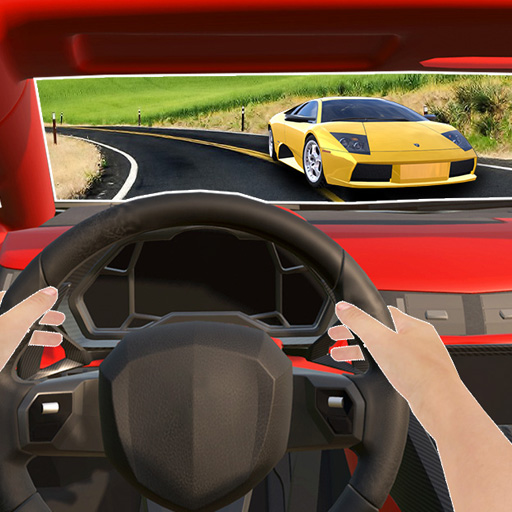
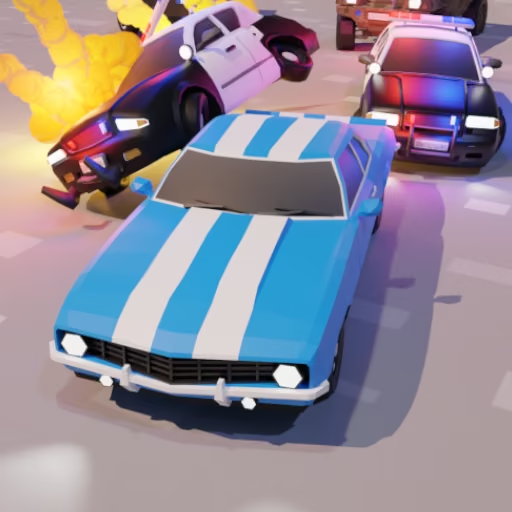
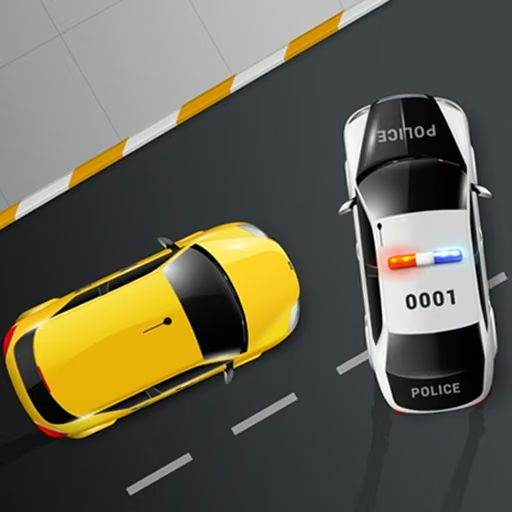
What is the next turn supposed to achieve: reach a checkpoint, get to a destination, or simply help you learn the car? City Drift Racing changes that answer through its mode selection. You drive through an urban environment with room for controlled slides, but the purpose of the drive depends on whether you choose Check Point, Arrival, or Free Mode.
That distinction gives the city more than one use. A corner can be part of a timed route in one attempt and a place to practice on another. Coins and additional cars provide progression, while the road layout keeps steering decisions relevant to the current task. Before making a dramatic slide, it helps to know whether its exit actually points toward the place your chosen mode needs you to reach.
How to Play City Drift Racing
Select a mode, drive with WASD, and use Space for the handbrake when you want to initiate a slide; follow the current route objective or practice freely in Free Mode.
- Choose Check Point, Arrival, or Free Mode and read the objective shown for that session.
- Accelerate into the city and use the road layout to plan your next turn.
- Apply the handbrake when a corner gives you room for a controlled drift, then steer toward the exit.
- Reach the required checkpoints or destination, or continue practicing in Free Mode before trying another challenge.
Controls & Timing
A checkpoint approach
When a marker lies beyond a corner, position the car for the road leading to it. A large slide is counterproductive if its recovery leaves the marker behind your intended direction.
A handbrake input
When entering a suitable bend, use Space to begin the rotation and watch the resulting line. Keeping the action tied to a specific corner is easier to control than applying it whenever the road feels quiet.
An unfamiliar junction
When you do not know how a route connects, explore it in Free Mode. Identifying the exit without a mission pressing you makes the later checkpoint approach easier to plan.
Controls
| Input | Action | When to use |
|---|---|---|
| W/S | Accelerate and brake | Adjusting city driving speed |
| A/D | Steer | Following streets and correcting slides |
| Space | Handbrake | Initiating a drift around a suitable corner |
High Score Tips
- Make the mode decide your route. In a checkpoint attempt, prioritize the required sequence; on an arrival run, keep the destination in mind instead of taking every corner as a drifting invitation.
- Practice the recovery as carefully as the initiation. Being able to start a slide is only half the maneuver when the next road requires the car to face a useful direction.
- Use one city junction as a reference for a new car. Comparing a familiar turn lets you notice its response without adding the uncertainty of a street you have never driven.
- Approach a timed section with a route already understood. Free exploration can answer where to turn, leaving the challenge attempt focused on executing the drive rather than discovering the map.
Key Features
- Three driving purposes: Check Point, Arrival, and Free Mode give the city different objectives.
- Urban drifting: Street layouts shape the approach and exit of each slide.
- Handbrake control: Space supplies a dedicated action for initiating rotation.
- Vehicle progression: Earned coins provide access to additional cars.
Frequently Asked Questions
Which mode is best for learning the city?
Free Mode is the clearest place to explore without committing to a checkpoint or destination objective. Find a useful junction, learn its exits, and return to it when you want to compare driving approaches.
What does Space do?
Space operates the handbrake. Use it as part of a planned corner entry, then steer through the resulting slide; it is not a reason to ignore the road beyond the bend.
Are Check Point and Arrival the same challenge?
They give the drive different objectives: one focuses on checkpoints and the other on reaching a destination. Read the current instructions before starting so your route serves the selected task.
Should I drift through every city corner?
Only when the maneuver helps the current drive and leaves a controllable exit. A smaller turn that reaches the required route cleanly can be more useful than a longer slide that sends you away from it.