


About Ramp Car: Police Chase
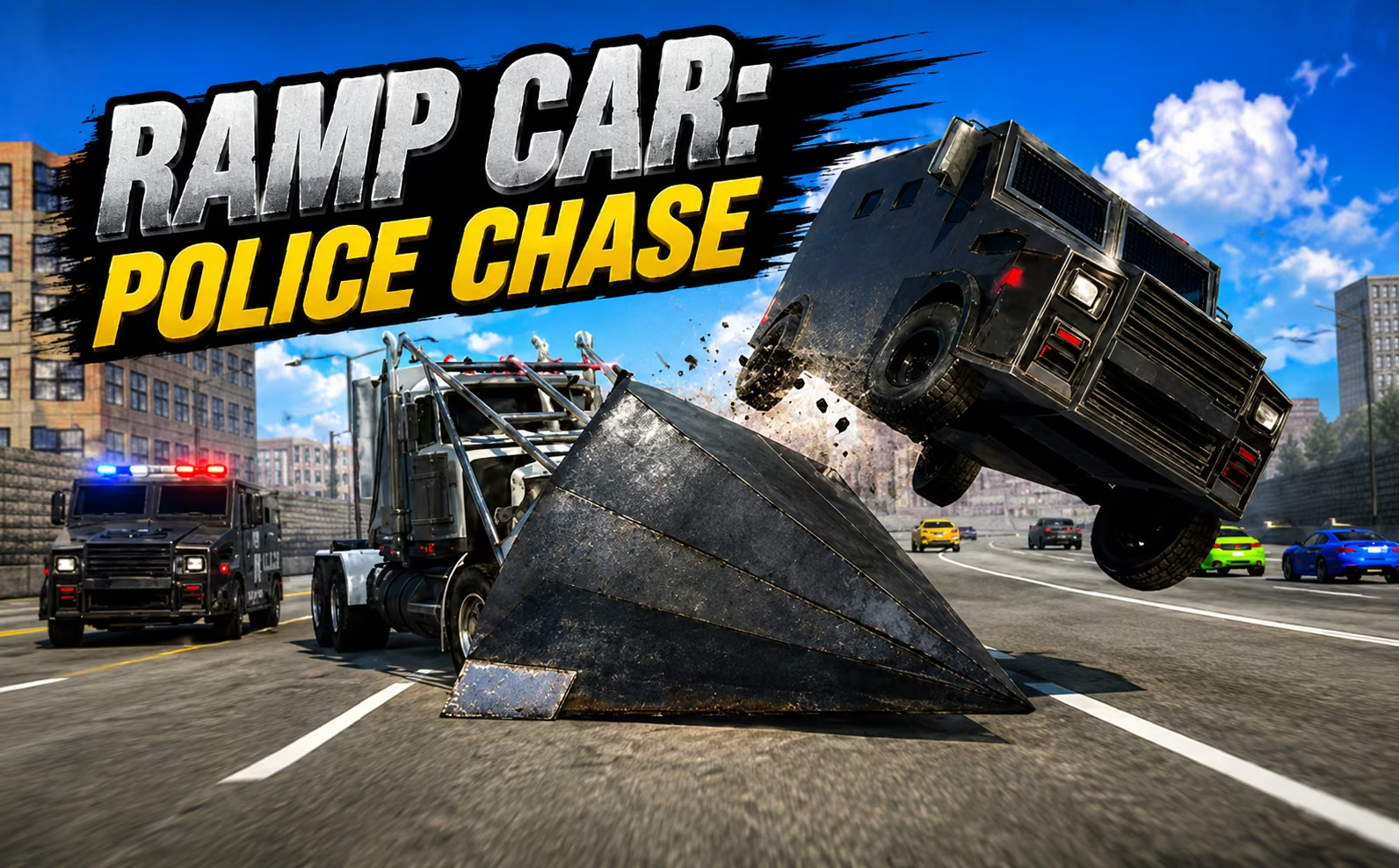
Is the next vehicle something your wedge can lift, or an obstacle you need to avoid? A lighter car can become something the front wedge lifts out of the way, while a heavy van or blocked passage remains a serious threat. You accelerate along a highway under pursuit, steering between lanes and choosing whether an encounter should be avoided or approached with the ramp aligned.
That choice makes the game less about indiscriminate ramming than it first appears. Poor alignment can waste the space you need for the next obstacle, and a successful launch still leaves a moving road ahead. The rear-view control helps you check pursuit pressure, but the forward route remains the priority. Survive by making deliberate lane decisions rather than expecting the wedge to clear every object.
How to Play Ramp Car: Police Chase
Drive with WASD or the arrows, use the front wedge against suitable lighter traffic, and steer away from heavy blockages while the pursuit continues.
- Accelerate into a lane with enough room to assess approaching traffic.
- Choose whether to avoid a vehicle or approach it with the wedge properly aligned.
- Brake and redirect when a heavy obstacle or closed lane makes contact unsafe.
- Use C for a brief rear check and continue preserving a forward escape route.
Controls & Timing
Wedge alignment
When choosing to contact a lighter vehicle, line up the front ramp before reaching it. A hurried sideways approach is harder to control than a centered encounter with room beyond it.
Heavy obstruction
When a van or substantial blockade fills the lane, select another route early. The ramp's usefulness against lighter cars does not make every obstacle safe to hit.
Rear-view check
When pursuit pressure matters to the next maneuver, use C briefly. Return attention to the road before the glance costs the distance needed for a forward correction.
Controls
| Input | Action | When to use |
|---|---|---|
| W / ↑ | Accelerate | Using a clear lane |
| S / ↓ | Brake or reverse | Managing speed or recovering position |
| A / D or ← / → | Steer | Changing lanes and aligning the wedge |
| C | Look behind | Checking the pursuit briefly |
High Score Tips
- Classify the next obstacle before approaching it. A lighter car and a heavy blockage ask for different decisions, so avoid treating all traffic as material for the ramp.
- Inspect the lane beyond a planned launch. Removing one car is not a useful escape if it leaves you heading directly toward a larger obstacle.
- Make lane changes with space to settle. A stable approach helps align the wedge and gives you time to abandon contact if the traffic pattern changes.
- Keep rear checks short and purposeful. Look behind to answer a specific question about an approaching pursuer, then resume watching the obstacles that determine your next turn.
Key Features
- Front wedge: Suitable lighter vehicles can be lifted out of the driving line.
- Highway pursuit: Lane selection matters while police follow.
- Heavy hazards: Larger obstacles require a different response from ordinary traffic.
- Rear view: C provides a quick way to inspect the chase behind.
Frequently Asked Questions
Can I ram every vehicle safely?
No. The wedge is useful against suitable lighter traffic, but heavy vehicles and blockades remain dangerous. Identify what is ahead and leave an alternative lane rather than assuming every contact will clear the route.
What does C do?
C lets you look behind at the pursuit. Use it for a brief check before a maneuver, then return attention forward so that the next obstacle does not arrive while you are watching the rear.
How should I approach a car I want to lift?
Align the wedge before contact and check that the space beyond the target remains usable. A stable approach is easier to recover from than swerving into the vehicle at the last moment.
When should I brake?
Brake when the available lane is closing or a heavy obstruction requires a controlled change of direction. Reducing speed early leaves more time to choose a route than waiting until contact becomes unavoidable.